Source Pressure Compensating Dripper for Agriculture, Greenhouse, and Garden
Compare 30 pressure compensating dripper options from verified Chinese manufacturers. These units support flow rates from 2L/H to 8L/H and feature pressure compensation for consistent irrigation in agriculture, greenhouses, and garden systems; compare the available evidence and request quotations based on your requirements.
Key considerations
Products List








Comprehensive Sourcing Guide
Pressure Compensating Dripper Sourcing Guide
Sourcing pressure compensating drippers requires a clear understanding of how these components maintain consistent water delivery across varying terrain and pipeline pressures. These devices are essential for modern agricultural irrigation systems, ensuring that each plant receives an equal amount of water regardless of its position in the network. Buyers must recognize that the core value lies in the internal mechanism that adjusts flow resistance dynamically, preventing over-watering at low points and under-watering at high points. This technology is particularly critical in large-scale farming operations where uniformity directly impacts crop yield and resource efficiency.
The procurement process involves navigating a market with diverse product listings, ranging from basic drip tubes to advanced pressure-compensating emitters. Observations from current market data indicate a wide price range and varying minimum order quantities, reflecting the heterogeneity of suppliers and product tiers. Buyers should focus on verifying the specific flow rates and pressure ratings that match their irrigation design, as these parameters dictate the system’s overall performance. Understanding the distinction between standard and pressure-compensating models is the first step in selecting the right component for a reliable and efficient water management strategy.
Product Scope and Observed Listing Signals
The current market landscape for pressure compensating drippers shows significant variation in product specifications and packaging details. Listings frequently highlight flow rates such as 2L/H, 4L/H, and 8L/H, indicating that buyers must select emitters based on their specific crop water requirements and system design. Some products are marketed as reliable drip irrigation tubes with specific diameters, such as 16mm, while others are identified by model numbers like DFS, DPDR4B, or SFP02/SFP04/SFP08. These identifiers often correlate with different internal mechanisms or material compositions, requiring buyers to cross-reference technical datasheets to ensure compatibility with their existing infrastructure.
Packaging and logistical details also vary widely, with some suppliers offering cartons containing 8000 units, while others specify 3800 pieces per carton or bulk packaging with dimensions like 59x40x33 cm. The gross weight per batch is often listed around 17 kg, which is crucial for calculating shipping costs and warehouse storage requirements. Buyers should note that some listings mention a working pressure of 1 bar, which serves as a baseline for system design, but actual operating pressures may differ. It is essential to verify the exact packaging configuration and weight to avoid unexpected logistics costs and ensure that the delivered goods match the ordered specifications precisely.
Technical Specifications to Verify
Verifying the technical specifications of pressure compensating drippers is critical to ensuring system reliability and performance. Buyers must confirm the material composition, as many listings indicate the use of plastic, which affects durability and resistance to chemical fertilizers or UV degradation. The flow rate is a primary specification, with options ranging from 2L/H to 8L/H, and some products offering variable rates like 2-8L. It is important to verify whether the dripper maintains a constant flow rate across a specified pressure range, as this is the defining feature of pressure compensation. Additionally, the working pressure rating, often cited as 1 bar, should be validated against the actual pressure conditions in the irrigation network to prevent failure or inefficiency.
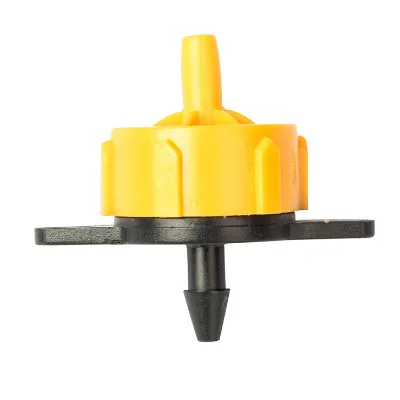
Other technical details include the connection type and size, with some products specified as 1/2" or having a diameter of 16mm. Buyers should also check the color, such as yellow, which may indicate UV stabilization or simply serve as a visual identifier for inventory management. The power source is typically pressure-driven, meaning no external energy is required, but the internal mechanism must be robust enough to handle fluctuations in line pressure. It is advisable to request detailed technical drawings or flow-pressure curves from suppliers to understand the performance characteristics under different operating conditions, ensuring that the selected drippers will perform as expected in the field.
Compliance and Safety Documentation
Compliance and safety documentation are vital for ensuring that pressure compensating drippers meet regulatory standards and quality expectations. Buyers should verify that suppliers hold relevant certifications, such as ISO, which indicates adherence to international quality management standards. While specific safety certifications may vary by region, it is important to ensure that the materials used in the drippers are safe for contact with drinking water if the system is used for potable irrigation. Buyers should request material safety data sheets (MSDS) to confirm that the plastic components do not leach harmful substances into the water supply, protecting both the crops and the end consumers.
Additionally, buyers should inquire about any industry-specific standards that apply to irrigation equipment in their target market. Some regions may require compliance with local agricultural or environmental regulations, which could affect the choice of materials or manufacturing processes. It is also important to verify that the supplier follows good manufacturing practices to ensure consistency in product quality. Documentation should include test reports or quality control records that demonstrate the reliability of the pressure compensation mechanism. By ensuring that all necessary compliance documents are in place, buyers can mitigate risks associated with regulatory non-compliance and ensure that the products are suitable for their intended application.
Cost Drivers and Commercial Terms
Understanding the cost drivers and commercial terms is essential for effective procurement of pressure compensating drippers. The price range observed in the market is broad, reflecting differences in material quality, manufacturing complexity, and brand reputation. Buyers should consider the total cost of ownership, including shipping, handling, and potential replacement costs, rather than focusing solely on the unit price. Minimum order quantities (MOQ) vary significantly, from as low as one carton to 100,000 units, allowing buyers to align their orders with their storage capacity and cash flow constraints. It is important to negotiate terms that balance volume discounts with flexibility, especially for initial orders or trial batches.
Lead times are another critical commercial factor, with some suppliers offering delivery within 10-15 days, while others may require 10-25 days. Buyers should factor in these lead times when planning their procurement schedule to avoid production delays. Customization options, such as OEM services or specific packaging requirements, may incur additional costs but can provide competitive advantages in the market. Buyers should also clarify payment terms, warranty policies, and return procedures to protect their interests. By carefully evaluating these commercial terms, buyers can secure favorable deals that support their long-term business objectives and operational efficiency.
Supplier Qualification and Quality Control
Supplier qualification and quality control are paramount when sourcing pressure compensating drippers to ensure consistent product quality and reliability. Buyers should conduct thorough due diligence on potential suppliers, verifying their manufacturing capabilities, production capacity, and quality management systems. Suppliers located in regions like Fuzhou, Xiamen, or Fujian, China, may have established expertise in irrigation equipment manufacturing, but buyers should still verify their track record and customer references. It is important to assess the supplier’s ability to maintain consistent quality across batches, as variations in product performance can lead to system failures in the field.
Quality control measures should include incoming material inspections, in-process checks, and final product testing. Buyers should request samples for rigorous testing to evaluate the pressure compensation performance, flow rate accuracy, and durability of the drippers. Establishing clear quality standards and acceptance criteria is essential for ensuring that the delivered products meet the required specifications. Buyers should also consider implementing a supplier audit program to monitor ongoing compliance with quality standards. By prioritizing supplier qualification and robust quality control, buyers can minimize risks and ensure that their irrigation systems operate efficiently and reliably over time.
Long-Term Procurement Checks
Long-term procurement checks are necessary to maintain the integrity and performance of the pressure compensating dripper supply chain. Buyers should regularly review supplier performance metrics, including on-time delivery rates, product quality consistency, and responsiveness to issues. Establishing a feedback loop with the supplier can help identify and address potential problems before they escalate. It is also important to stay updated on industry trends and technological advancements that may impact the selection of irrigation components. Buyers should periodically reassess their supplier base to ensure they are leveraging the best available options for cost, quality, and service.
Additionally, buyers should monitor market conditions and price fluctuations to make informed procurement decisions. Building strong relationships with suppliers can lead to better terms, priority service, and access to new product developments. It is advisable to conduct periodic audits of the supply chain to ensure compliance with ethical and environmental standards. By implementing a proactive approach to long-term procurement management, buyers can secure a reliable supply of high-quality pressure compensating drippers, supporting the success of their agricultural operations and contributing to sustainable water management practices.
FAQs
What customization options are available for pressure compensating drippers?
Customization is available for these pressure compensating drippers to meet specific buyer needs. The products support OEM services and can be tailored with different flow rates ranging from 2 to 8 liters per hour. Buyers can request specific packaging configurations or model variations like DFS or DPDR series to align with their irrigation system requirements.
Which flow rates are offered for the pressure compensating dripper models?
The pressure compensating dripper models offer flow rates of 2, 4, and 8 liters per hour. Specific models like SFP02, SFP04, and SFP08 correspond to these varying capacities. This range allows farmers to select the precise water delivery rate suitable for different crop types and soil conditions within their water-saving irrigation systems.
How long is the lead time for ordering pressure compensating drippers?
The lead time for ordering these pressure compensating drippers typically ranges from 10 to 25 days. This duration depends on the specific model selected and the order volume. Buyers should plan their procurement schedule accordingly to ensure timely delivery for their agricultural irrigation projects starting from the order confirmation date.
What certifications do the pressure compensating dripper manufacturers hold?
The manufacturers of these pressure compensating drippers hold ISO certification to ensure quality standards. This certification indicates that the production processes meet international management system requirements. Buyers can rely on these certified suppliers for consistent product quality and reliable performance in their agricultural water management applications.
Can I find pressure compensating drippers with specific packaging requirements?
Yes, specific packaging requirements can be met as the products come in cartons with defined quantities. Some batches are packed with 3800 pieces per carton while others may have different counts like 8000 units. The package size per batch is typically around 59 by 40 by 33 centimeters to facilitate efficient shipping and storage.
Where are the pressure compensating drippers manufactured and shipped from?
These pressure compensating drippers are manufactured in Fuzhou and Xiamen, located in Fujian, China. The products originate from these specific cities before being shipped to international buyers. This location provides access to established supply chains and manufacturing capabilities for producing high-quality irrigation components.
What is the minimum order quantity for pressure compensating drippers?
The minimum order quantity can start from one carton for some suppliers. Other listings indicate a broader range starting from 1 unit up to 100,000 units depending on the vendor. Buyers should verify the specific MOQ with the supplier to ensure it aligns with their project scale and budget constraints.
What material is used to make the pressure compensating drippers?
The pressure compensating drippers are made from durable plastic material. This material choice ensures longevity and resistance to environmental factors in agricultural settings. The plastic construction supports the pressure compensation feature while maintaining a lightweight profile for easy installation in various irrigation tube systems.